Tesla Buying Guide: A Comprehensive Overview (2026)
Navigating the electric vehicle landscape requires informed decisions. This guide provides a detailed exploration of Tesla’s current offerings‚
pricing‚ and competitive positioning as of July 4th‚ 2026‚
considering emerging rivals like Zeekr and regional variations.
The electric vehicle (EV) market is rapidly evolving‚ and Tesla‚ while still a dominant force‚ faces increasing competition in 2026. Historically‚ the Model Y has consistently performed well in comparative tests‚ but new contenders‚ particularly from China like Zeekr‚ are aggressively entering global markets‚ including Australia‚ challenging Tesla’s supremacy. This shift necessitates a thorough understanding of the current landscape for prospective buyers.
Tesla’s position isn’t solely defined by these new rivals; internal factors also shape the buying experience. Recent developments‚ such as the reintroduction of a seven-seat Model Y in the UK and the launch of the Model Y L in Malaysia (priced around RM260‚000)‚ demonstrate Tesla’s ongoing adaptation to regional demands. However‚ concerns regarding build quality and reliability‚ alongside “Elon-gate” moments impacting customer trust‚ remain relevant considerations.
Furthermore‚ the availability and pricing of Tesla vehicles vary significantly by region‚ as evidenced by the Indian market’s current status and future prospects. Understanding these nuances is crucial for making an informed purchase decision in today’s dynamic EV environment.
Why Consider a Tesla? Benefits & Drawbacks
Tesla ownership presents a compelling blend of advantages and potential drawbacks for prospective buyers in 2026. The primary appeal lies in its pioneering role in EV technology‚ offering advanced features like Autopilot and the potential for Full Self-Driving capability – though the latter remains a point of contention and ongoing development. Beyond technology‚ Tesla’s Supercharger network provides a relatively convenient charging infrastructure‚ though its accessibility varies geographically.
However‚ potential buyers must weigh these benefits against existing concerns. Reports suggest Tesla faces challenges regarding build quality and reliability‚ potentially leading to higher service costs. The brand’s history of unpredictable decisions‚ dubbed “Elon-gate” moments‚ can erode consumer confidence.
Moreover‚ the emergence of strong competitors like Zeekr‚ offering comparable or even superior features at competitive prices‚ necessitates careful consideration. While Tesla maintains a strong brand image‚ the value proposition is increasingly scrutinized in light of these alternatives and the evolving EV market.
Tesla Model Lineup: Choosing the Right Fit
Tesla’s diverse range caters to varied needs. From the accessible Model 3 to the spacious Model X‚ understanding each model’s strengths—including the popular Model Y—is crucial for informed selection;
Model 3: The Entry-Level Sedan
The Tesla Model 3 remains a pivotal entry point into the Tesla ecosystem‚ offering a compelling blend of performance‚ efficiency‚ and technology at a relatively accessible price point. As of July 4th‚ 2026‚ it continues to be a strong contender in the electric sedan segment‚ though facing increased competition from emerging brands.
While specific pricing varies by region‚ the Model 3 typically presents several configuration options. These include Rear-Wheel Drive (RWD) versions‚ offering a balance of range and affordability‚ and Long Range variants delivering extended driving distances. Full Self-Driving (FSD) capability remains an optional upgrade‚ adding autonomous driving features – though its value proposition continues to be debated.
The Model 3’s appeal lies in its minimalist interior‚ quick acceleration‚ and access to Tesla’s Supercharger network. However‚ potential buyers should be aware of ongoing discussions surrounding build quality and potential reliability concerns‚ as highlighted in recent reports. Despite these considerations‚ the Model 3 continues to attract a broad customer base seeking a stylish and technologically advanced electric vehicle.
Model Y: The Popular Compact SUV
The Tesla Model Y consistently ranks as one of Tesla’s best-selling vehicles globally‚ and for good reason. This compact SUV offers a practical blend of space‚ performance‚ and Tesla’s signature technology‚ making it a popular choice for families and individuals alike. As of July 4th‚ 2026‚ it faces intensifying competition‚ notably from Zeekr and established SUV brands like Audi‚ Toyota‚ Jeep‚ and BMW.
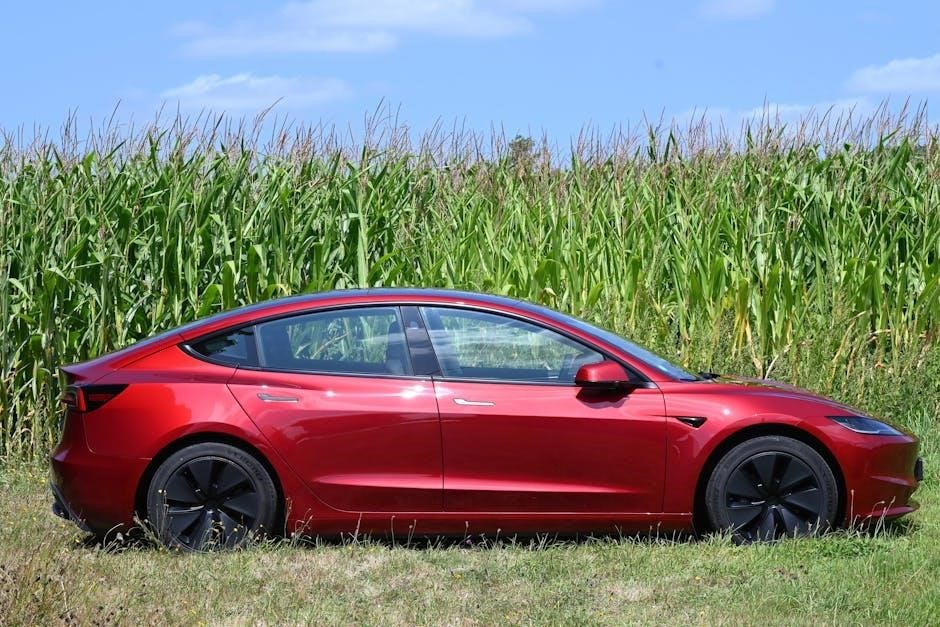
Available configurations typically include Rear-Wheel Drive (RWD)‚ Long Range RWD‚ and options with Full Self-Driving (FSD) capability. Recent developments include the introduction of a Model Y L variant in Malaysia‚ initially a China-only model‚ and the reintroduction of a seven-seat configuration in the UK‚ catering to larger families. Pricing in India remains a key consideration‚ with current market access limited.
The Model Y’s spacious interior‚ ample cargo capacity‚ and access to the Supercharger network contribute to its widespread appeal. However‚ comparisons with rivals like the Audi Q8 highlight areas where Tesla may need to improve‚ particularly regarding build quality and perceived value.
Model S: The Luxury Performance Sedan
The Tesla Model S remains a benchmark in the luxury electric sedan segment‚ offering a compelling combination of exhilarating performance‚ long-range capability‚ and advanced technology. While often overshadowed by the Model Y’s sales volume‚ the Model S continues to attract buyers seeking a premium driving experience and a statement of technological sophistication. As of July 4th‚ 2026‚ it navigates a market increasingly populated by competitors aiming to challenge Tesla’s dominance.
Though specific configuration details weren’t provided in the source material‚ the Model S traditionally offers various powertrain options focused on maximizing both acceleration and range. It serves as a technological showcase for Tesla‚ often incorporating the latest advancements in battery technology and autonomous driving features.
The Model S’s appeal lies in its ability to deliver a refined and engaging driving experience‚ coupled with the convenience of electric propulsion. However‚ potential buyers should carefully consider its price point relative to competing luxury sedans and evaluate the ongoing evolution of Tesla’s build quality and reliability.
Model X: The Flagship SUV with Falcon Wing Doors
The Tesla Model X continues to stand out as a uniquely styled and technologically advanced SUV‚ instantly recognizable by its signature falcon wing doors. Positioned as Tesla’s flagship SUV‚ it aims to deliver a blend of spaciousness‚ performance‚ and distinctive design. As of July 4th‚ 2026‚ the Model X faces increasing competition from established luxury SUV brands like Audi‚ Toyota‚ Jeep‚ and BMW‚ alongside newer entrants such as Zeekr‚ all vying for market share in the rapidly expanding electric SUV segment.
While detailed pricing and configuration options weren’t explicitly stated in the provided information‚ the Model X typically offers multiple powertrain configurations‚ prioritizing both range and acceleration. The falcon wing doors‚ while visually striking‚ remain a defining – and sometimes debated – feature of the vehicle.
Potential buyers should weigh the Model X’s unique attributes against its price and consider whether the benefits of its spacious interior and distinctive design outweigh potential concerns regarding build quality and reliability‚ as highlighted in broader Tesla discussions.
Key Considerations Before Buying
Before investing‚ carefully evaluate Tesla’s pricing structure‚ battery range‚ and charging options. Autopilot/FSD capabilities‚ build quality reports‚ and competitive comparisons are crucial for informed decisions.
Understanding Tesla’s Pricing & Options
Tesla’s pricing strategy is dynamic and varies significantly by model‚ configuration‚ and region. As of July 4th‚ 2026‚ in Malaysia‚ the Model Y L is estimated around RM260‚000. In India‚ pricing remains a complex issue due to import duties and potential local manufacturing plans‚ with no firm figures currently available.
Looking at the Indian market (as of today’s date)‚ the Model Y RWD starts at 59.89 Lakh‚ while the Long Range RWD is priced at 67.89 Lakh. Adding Full Self-Driving capability increases these costs to 65.89 Lakh and 73.89 Lakh respectively. These figures highlight the substantial price jump associated with advanced driver-assistance features.
Furthermore‚ options like paint color‚ interior trim‚ and wheel size all contribute to the final price. Tesla frequently adjusts pricing based on production costs‚ demand‚ and competitive pressures. It’s essential to check the official Tesla website for the most up-to-date information. Consider potential incentives and tax credits available in your region‚ as these can significantly reduce the overall cost of ownership. Understanding these nuances is vital for budgeting and making a financially sound decision.
Battery Range & Charging Infrastructure
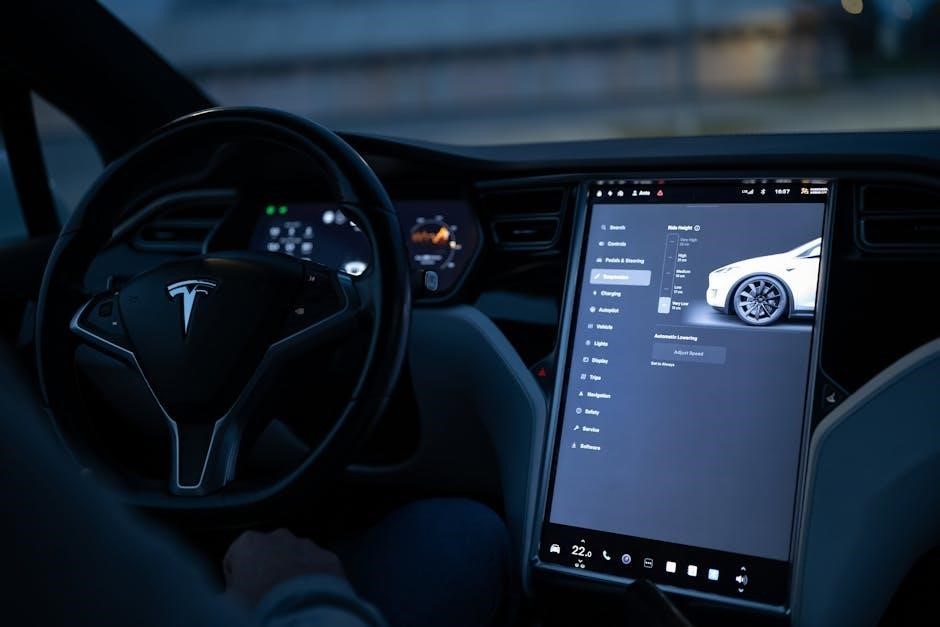
Tesla’s battery range varies considerably depending on the model and configuration. The Long Range variants generally offer the most extensive range‚ crucial for long journeys. However‚ even the base RWD models provide sufficient range for daily commutes and shorter trips. Real-world range is affected by factors like driving style‚ weather conditions‚ and terrain.
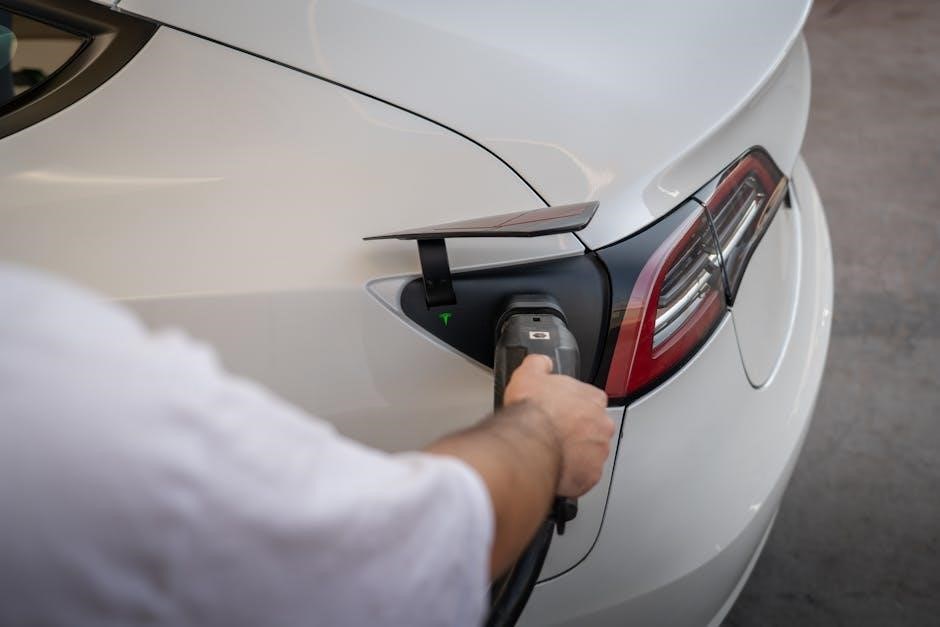
Charging infrastructure is a key consideration. Tesla’s Supercharger network remains a significant advantage‚ offering fast and reliable charging across many regions. However‚ the availability of Superchargers can vary‚ particularly in less developed areas. Home charging is also a convenient option‚ requiring the installation of a wall connector or utilizing a standard outlet (though charging times will be slower).
The expansion of third-party charging networks is increasing accessibility‚ but compatibility and charging speeds can differ. Planning routes around available charging stations is essential for longer trips. Tesla continues to invest in expanding its Supercharger network and improving charging technology‚ aiming to alleviate range anxiety and enhance the overall ownership experience.
Autopilot & Full Self-Driving Capability
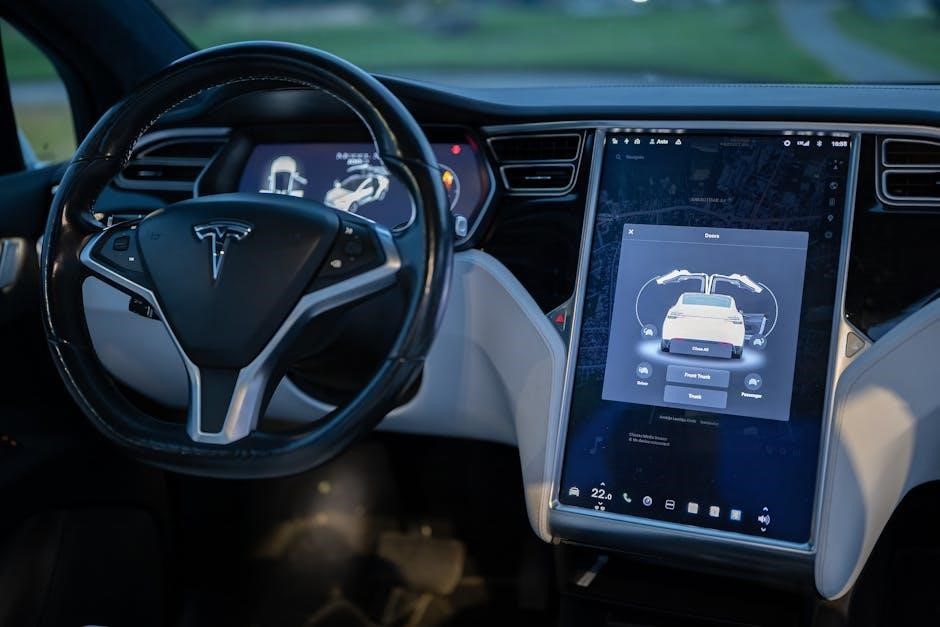
Tesla’s Autopilot system comes standard‚ offering features like adaptive cruise control and lane keeping assist. These functionalities enhance driver convenience and safety on highways‚ but require constant driver supervision. It’s crucial to understand Autopilot is not a fully autonomous system and drivers must remain attentive.
Full Self-Driving (FSD) Capability is an optional upgrade‚ promising more advanced automated driving features. However‚ as of 2026‚ FSD remains under development and requires active driver intervention. Regulatory approval and feature availability vary by region. The cost of FSD is substantial‚ and its value proposition is debated among Tesla owners.
Ongoing software updates continually refine Autopilot and FSD‚ adding new features and improving performance. It’s important to stay informed about the latest updates and their implications. While FSD aims for full autonomy‚ current iterations necessitate vigilant driver monitoring and a willingness to take control when needed.
Tesla’s Build Quality & Reliability
Historically‚ Tesla has faced scrutiny regarding build quality and reliability. Early reports often cited issues with panel gaps‚ paint imperfections‚ and component failures. While improvements have been made in recent years‚ concerns persist among some owners and industry observers. It’s essential to acknowledge these potential drawbacks before purchasing.
Consumer reports and owner surveys reveal a mixed picture. Some owners report exceptional experiences‚ while others encounter recurring problems requiring service visits. Common complaints include software glitches‚ door and window alignment issues‚ and occasional electronic malfunctions. The complexity of Tesla’s technology contributes to potential points of failure.
Tesla’s service network‚ while expanding‚ can be limited in certain areas‚ leading to longer wait times for repairs. The company is actively working to enhance quality control and improve service responsiveness. Prospective buyers should carefully research potential issues and consider extended warranty options for added peace of mind.
Comparing Tesla to the Competition
Tesla faces increasing competition from established automakers and new entrants. This section analyzes key rivals like Audi‚ Zeekr‚ Toyota‚ Jeep‚ and BMW‚
evaluating performance‚ features‚ and value propositions.
Tesla Model Y vs. Audi Q8: A Detailed Comparison
The Tesla Model Y and Audi Q8 represent distinct approaches to the luxury SUV segment. The Model Y‚ with its electric powertrain‚ emphasizes efficiency and technology‚ while the Q8 leans towards traditional luxury and performance. Price points vary significantly based on configuration‚ with the Model Y offering a wider range of options‚ starting around 59.89 Lakh for the RWD version‚ potentially reaching 67.89 Lakh for the Long Range variant.
Space and practicality are key considerations. Both vehicles offer ample passenger room‚ but the Model Y generally provides more cargo space due to its hatchback design. Boot space is a notable advantage for Tesla. Service costs differ substantially; Tesla’s maintenance is typically lower due to fewer moving parts‚ contrasting with the Audi’s more complex internal combustion engine or hybrid systems.
Mileage‚ or rather‚ range in the case of the Model Y‚ is a crucial differentiator. The Q8’s fuel economy is competitive for its class‚ but the Model Y’s electric range offers significant savings and environmental benefits. Feature sets are comparable‚ with both boasting advanced infotainment systems and driver-assistance technologies. Ultimately‚ the choice hinges on individual priorities – technological innovation and sustainability versus established luxury and driving dynamics.

The Rise of Zeekr: A New Competitor to Tesla
Zeekr‚ a relatively unknown Chinese automaker‚ is rapidly emerging as a significant challenger to Tesla’s dominance in the global EV market‚ particularly gaining traction in Australia and beyond. This newcomer is aggressively pursuing market share with competitive pricing and innovative vehicle designs‚ directly impacting Tesla’s sales figures. Zeekr’s swift inroads demonstrate a changing landscape where Tesla no longer enjoys unchallenged leadership.
The company’s strategy focuses on delivering high-quality electric vehicles with advanced technology‚ mirroring Tesla’s approach but often at a more accessible price point. This poses a direct threat to Tesla’s market position‚ forcing the company to respond with price adjustments and feature enhancements. Zeekr’s success highlights the growing sophistication of the Chinese automotive industry and its ability to compete on a global scale.
Analysts predict Zeekr will continue to expand its international presence‚ intensifying competition within the EV sector. This increased rivalry benefits consumers through greater choice and potentially lower prices‚ but also demands Tesla maintain its innovative edge to retain its market share and brand prestige.
Tesla vs. Traditional SUV Brands (Toyota‚ Jeep‚ BMW)
Tesla currently faces a notable gap in its SUV offerings‚ inadvertently directing families towards established brands like Toyota‚ Jeep‚ and BMW. While the Model Y is popular‚ it doesn’t fully cater to all SUV needs‚ particularly those requiring larger seating capacities or specific off-road capabilities. Traditional manufacturers excel in providing diverse SUV options‚ addressing a wider range of consumer preferences.
Toyota’s reputation for reliability and affordability‚ Jeep’s off-road prowess‚ and BMW’s luxury and performance continue to attract a substantial customer base. These brands have decades of experience in the SUV segment‚ building trust and brand loyalty. Tesla‚ while innovative in electric technology‚ is still relatively new to the SUV market and building that same level of trust.
To compete effectively‚ Tesla needs to broaden its SUV lineup and address concerns regarding build quality and service. Offering more configurations and focusing on family-oriented features will be crucial to capturing a larger share of the traditional SUV market and solidifying its position as a leading automotive manufacturer.
Regional Availability & Pricing (as of 04/07/2026)
Tesla’s global presence is expanding‚ with varied pricing and model availability. Malaysia introduced the Model Y L (RM260‚000 est.)‚ while the UK
reintroduced seven-seat options. India’s future remains uncertain.
Tesla’s presence in Malaysia has recently been invigorated with the introduction of the Model Y L‚ a variant initially exclusive to the Chinese market. This expansion signifies a strategic move to cater to a broader customer base and enhance Tesla’s foothold in Southeast Asia. The Model Y L was first previewed at Tesla’s Cyberjaya base‚ generating considerable excitement among potential buyers.
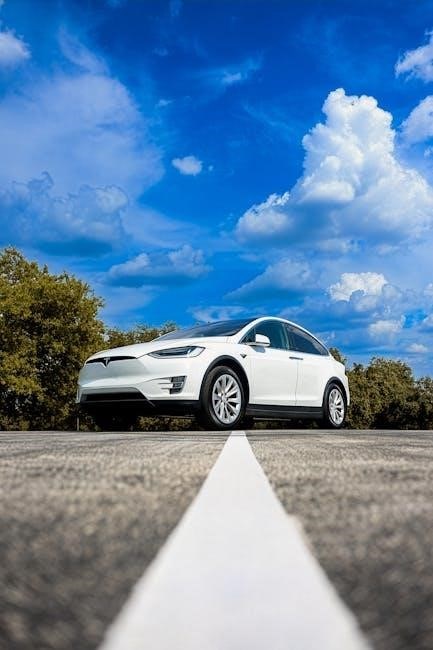
Priced at an estimated RM260‚000 (Ringgit Malaysia)‚ the Model Y L positions itself as a competitively priced option within the Malaysian electric vehicle (EV) landscape. This pricing strategy aims to make Tesla ownership more accessible to a wider range of consumers. The introduction of this model is particularly noteworthy as it addresses a previously unmet demand for a more affordable Tesla option in the region.
The Model Y L’s arrival coincides with growing interest in EVs within Malaysia‚ driven by government incentives and increasing environmental awareness. Tesla’s commitment to the Malaysian market is evident through this launch‚ and further developments are anticipated as the EV adoption rate continues to rise. This new offering is expected to significantly contribute to Tesla’s sales volume in Malaysia and solidify its position as a leading EV manufacturer.

Tesla UK: Reintroduction of the Seven-Seat Model Y
Tesla has responded to customer demand in the United Kingdom by reintroducing a seven-seat configuration for the Model Y. This option‚ previously unavailable for some time‚ now provides families with a practical and spacious electric vehicle solution. The three-row seating arrangement is exclusively offered on specific Model Y variants‚ catering to those requiring additional passenger capacity.
The reintroduction of the seven-seat Model Y addresses a gap in Tesla’s UK lineup‚ appealing to larger families who previously might have considered alternative brands. This move demonstrates Tesla’s willingness to adapt its offerings based on market feedback and evolving consumer needs. It also enhances the Model Y’s versatility‚ making it a more compelling option for a wider range of buyers.
This development is expected to boost Model Y sales in the UK‚ particularly among families seeking a zero-emission vehicle without compromising on space or practicality. The availability of seven seats positions the Model Y as a strong competitor to traditional SUVs and MPVs in the UK market‚ further solidifying Tesla’s presence as a leading EV provider.
Tesla India: Current Status and Future Prospects
Tesla’s entry into the Indian market remains a complex and evolving situation as of July 4th‚ 2026. Despite previous intentions and exploratory talks‚ a full-scale launch has been repeatedly delayed due to import duties and local manufacturing requirements. The Indian government’s push for domestic production presents a significant hurdle‚ as Tesla prefers to avoid substantial initial investment in local factories.
Currently‚ Tesla does not officially sell vehicles in India‚ though some models are imported privately by individuals. However‚ recent policy shifts and potential incentives offered by various state governments are creating renewed optimism for a future launch. Negotiations are ongoing regarding potential reductions in import tariffs‚ which would make Tesla vehicles more price-competitive.
The long-term prospects for Tesla in India are promising‚ given the country’s growing demand for electric vehicles and a large‚ tech-savvy consumer base. A successful entry will likely depend on finding a viable solution to the import duty issue or establishing a local manufacturing presence‚ potentially through partnerships with Indian companies.