
About Ina May Gaskin
Ina May Gaskin, a certified professional midwife, has guided countless expectant mothers at The Farm Midwifery Center for over thirty years, championing natural childbirth through her acclaimed guide, which emphasizes trust, empowerment, and minimal intervention and experience.
Biography and Career
Ina May Gaskin, a certified professional midwife, has spent more than three decades championing natural childbirth at The Farm Midwifery Center in Summertown, Tennessee. Born in 1940, she grew up on a communal farm where she first observed birth as a communal, empowering event. After completing her midwifery training in the early 1970s, Gaskin joined The Farm, quickly becoming its lead midwife and a national voice for the female‑centered Midwifery Model of Care. Her hands‑on experience includes overseeing hundreds of home‑like births, many without any medical intervention, which reinforced her belief that the body possesses innate intelligence to labor safely. In 1992 she published “Ina May’s Guide to Childbirth,” a bestselling manual that distills thirty‑plus years of practice into practical advice, emphasizing trust, mind‑body connection, and minimal technology. The book, now in updated editions, has been praised for demystifying labor, reducing fear, and restoring women’s confidence in their physiological capabilities. Gaskin’s career has earned her the reputation as the nation’s leading midwife, a speaker at international conferences, and a mentor to countless aspiring midwives who share her vision of respectful, low‑intervention birth for families worldwide today.
The Farm Midwifery Center
The Farm Midwifery Center, located in Summertown, Tennessee, serves as the cornerstone of Ina May Gaskin’s natural childbirth philosophy. Established in 1972, the center offers a home‑like environment where expectant mothers receive personalized care from certified midwives trained in low‑intervention techniques. The facility’s design emphasizes privacy, comfort, and a supportive atmosphere, allowing women to bond with their babies in a stress‑free setting. Gaskin’s leadership has cultivated a culture that prioritizes the mind‑body connection, encouraging mothers to trust their bodies’ innate intelligence during labor. The center’s curriculum includes comprehensive prenatal education, breathing and relaxation methods, and hands‑on birth preparation. Over the decades, The Farm has facilitated thousands of births, many of which have been documented and shared in Gaskin’s guide to childbirth. Its success has inspired similar midwifery practices nationwide, promoting a shift toward respectful, low‑technology birth experiences. The Farm’s commitment to evidence‑based, woman‑centered care continues to influence midwifery education and practice, reinforcing the belief that natural childbirth is both safe and empowering for families. The Farm also mentors new midwives, preserving its philosophy and extending natural birth access to communities worldwide in rural and underserved areas.

Philosophy of Natural Childbirth
Ina May Gaskin’s philosophy, outlined in her guide, champions natural childbirth by emphasizing the body’s innate intelligence, fostering mind‑body harmony, and advocating minimal medical intervention to empower expectant mothers toward safe, empowering births for healthy and joyful.
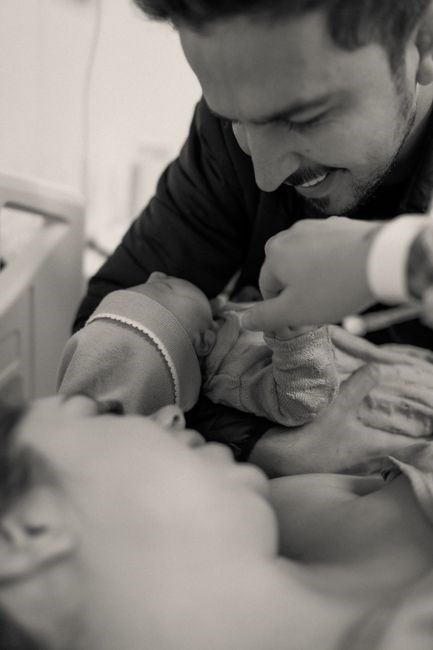
Trusting the Body’s Intelligence
In Ina May Gaskin’s seminal guide, the central premise is that a woman’s body possesses an innate wisdom capable of guiding labor to a healthy, safe conclusion without unnecessary medical intrusion. Gaskin repeatedly stresses that trusting this intelligence begins long before the first contraction, encouraging expectant mothers to cultivate confidence through education, gentle movement, and deep breathing practices. She describes how the uterus, cervix, and hormonal cascade communicate seamlessly, orchestrating each stage of labor when fear and doubt are set aside. By honoring the body’s signals, a birthing person can allow the natural rhythm to unfold, reducing the need for pain‑relieving drugs or invasive monitoring. Gaskin illustrates this principle with stories from The Farm Midwifery Center, where countless births have progressed smoothly simply because the mother remained attuned to her physiological cues. She advises partners and caregivers to reinforce this trust, offering calm reassurance rather than unsolicited directives. Ultimately, the guide frames childbirth as a collaborative partnership between mind and body, where surrendering to the body’s intelligence transforms the experience from a battle into a celebration of life‑giving potential. It empowers families and nurtures lasting resilience.
Mind-Body Connection
Ina May Gaskin’s guide emphasizes that childbirth is a harmonious dialogue between the mind and body, where mental calmness directly influences physiological readiness. She explains that stress hormones can impede uterine contractions, while a relaxed, focused mind encourages optimal oxytocin release. The book offers practical techniques such as progressive muscle relaxation, guided imagery, and rhythmic breathing, all designed to synchronize heart rate with uterine activity. Gaskin cites research from The Farm Midwifery Center showing that mothers who practiced these mind‑body exercises experienced shorter labor durations and reduced pain perception. She also highlights the importance of sensory awareness, encouraging expectant mothers to listen to their bodies, notice subtle shifts in position or pressure, and respond. By fostering a supportive environment where partners and midwives reinforce this connection, the guide illustrates how collective intention can amplify the body’s natural labor mechanisms. The narrative underscores that when the mind trusts the body’s intelligence, the birthing process becomes truly empowering experience rather than a chaotic ordeal. This holistic perspective is central to Ina May’s philosophy, inviting women to honor their internal rhythms as a pathway to extra deeply satisfying births.

Core Concepts from the Book
Core concepts emphasize the Midwifery Model of Care, restoring faith in natural power to birth with ease, less pain, and minimal intervention, highlighting mind-body connection and technological-free birth wisdom drawn from decades of Farm experience guiding women.
Stages of Labor Explained
Ina May Gaskin describes labor as a holistic continuum rather than rigid clinical phases, emphasizing the profound mind-body connection central to the Midwifery Model of Care. Early labor involves gradual cervical changes where relaxation and trust in the body’s innate wisdom are paramount, allowing the sphincter law to function without fear-induced inhibition. Active labor intensifies with stronger contractions, demanding focused breathing and movement to facilitate descent, while the guide highlights how environmental safety and privacy protect hormonal flow essential for progression. Transition represents the most intense threshold, often accompanied by emotional volatility, yet Gaskin reframes this as a powerful transformative gateway requiring unwavering support. The pushing stage follows the fetal ejection reflex, where upright positions and spontaneous bearing down align with physiological design, minimizing tearing and intervention. Finally, the placental stage and immediate postpartum period prioritize uninterrupted skin-to-skin contact and breastfeeding initiation, completing the natural sequence. Throughout every phase, the text advocates for patience, non-interference, and deep respect for the ancient intelligence guiding each unique birth journey toward empowerment. This approach restores confidence in women’s power to give birth with more ease and less pain.
Common Myths Debunked
One persistent myth claims that natural childbirth is inherently dangerous and requires constant medical supervision. Gaskin refutes this by sharing decades of successful births at The Farm Midwifery Center, where women gave birth without complications by trusting their bodies’ intelligence. Another common belief insists that pain must be eliminated with medication; the guide instead teaches breathing, movement, and hydrotherapy, showing that pain can transform into productive energy when fear is released. Some expectant mothers think that a long labor signals failure; Gaskin explains that each stage follows the body’s unique timetable and that patience supports hormonal flow essential for progress. The notion that a woman cannot know when to push is also debunked—Gaskin describes the natural fetal ejection reflex, which prompts instinctive bearing down without instruction. Additionally, the idea that technology always improves outcomes is challenged by evidence that uninterrupted skin‑to‑skin contact and immediate breastfeeding promote healthier newborn adaptation. Finally, the belief that only hospitals can provide safe births ignores the proven effectiveness of the female‑centered Midwifery Model of Care, which prioritizes respect, autonomy, and minimal intervention for both mother and baby through compassionate, evidence‑based practice.

Practical Guidance for Expectant Mothers
Gaskin offers comprehensive prenatal advice, urging mothers to cultivate the mind-body connection, trust their innate birthing power, and create flexible birth plans prioritizing minimal intervention, informed consent, and supportive environments for natural delivery through professional midwifery care.
Prenatal Preparation
Prenatal preparation, as outlined in Gaskin’s guide, emphasizes a holistic approach that blends physical readiness with mental and emotional alignment. Expectant mothers are encouraged to engage in exercise tailored to pregnancy stages, such as walking, swimming, and prenatal yoga, which help maintain circulation, strengthen pelvic muscles, reduce stress. Nutrition plays a pivotal role; a balanced diet rich in iron, calcium, and folate supports fetal development and maternal energy levels. Hydration is equally essential, with recommendations to consume at least eight glasses of water daily to facilitate amniotic fluid production and cellular function. Gaskin advises consistent prenatal check‑ups, but also advocates for a collaborative relationship with a midwife, fostering communication about birth preferences, pain management options, and potential complications. Mindfulness practices, including breathing exercises, meditation, and visualization, are highlighted to cultivate a calm, focused mindset, reducing anxiety and enhancing the body’s natural birthing instincts. Additionally, the guide underscores the importance of building a supportive network—partners, family, community—who respect and reinforce the mother’s choices. By integrating these practices, expectant mothers can create a foundation that promotes confidence, reduces fear, and prepares the body for smoother natural labor experience.
Birth Plan Essentials
Creating a clear birth plan is a central element of Gaskin’s natural childbirth philosophy, allowing mothers to articulate preferences while fostering collaboration with their midwife. First, describe the desired setting: a quiet, dimly lit room, perhaps with a birthing pool, soft music, and minimal medical equipment visible. Next, specify mobility options, such as walking, upright positions, or using a birth ball, which support the body’s innate labor mechanisms. Include preferences for hydration and nutrition, allowing light snacks or water to sustain energy. Outline pain‑relief strategies that exclude pharmacological interventions, emphasizing breathing techniques, hydrotherapy, massage, and rhythmic movement. Identify the primary support team—partner, doula, family members—and clarify each person’s role, whether providing physical comfort, verbal encouragement, or advocacy with staff. State any wishes regarding fetal monitoring, limiting continuous electronic surveillance unless medically required. Finally, note post‑birth intentions: immediate skin‑to‑skin contact, delayed cord clamping, and breastfeeding initiation within the first hour. By documenting these details, the mother and her care team create a shared roadmap that respects the body’s intelligence, reduces fear, and maximizes the likelihood of a calm, empowering birth experience; Trust guides every moment of labor.

Support Systems During Labor
Ina May Gaskin emphasizes a collaborative support network, integrating midwives, partners, and family. This system prioritizes continuous emotional encouragement, physical comfort, and informed decision‑making, ensuring a natural, empowered birth experience for the expectant mother and her child.
Role of the Midwife
Drawing upon over thirty years of experience at The Farm Midwifery Center in Summertown, Tennessee, Ina May Gaskin defines the midwife’s role as a guardian of normal physiological birth. Unlike standard medical management, the midwifery model of care centers on the female experience, prioritizing the mind-body connection and trusting the body’s ancient wisdom. A midwife provides comprehensive prenatal education, continuous labor support, and postpartum guidance while actively minimizing unnecessary technological intervention. She monitors the well-being of mother and baby through careful observation rather than routine protocols, fostering an environment where birth unfolds naturally. Gaskin emphasizes that the midwife acts as a facilitator, not a director, empowering women to reclaim autonomy over their reproductive power. This relationship builds deep trust, reducing fear and allowing the hormonal orchestration of labor to proceed efficiently. By respecting the innate intelligence of the female body, the midwife helps achieve healthy, fulfilling outcomes with more ease and less pain, reinforcing the philosophy that childbirth is a wellness event, not an illness requiring cure. Her approach blends evidence-based practice with intuitive wisdom, truly honoring each woman’s unique journey toward motherhood and family bonding.
Partner and Family Involvement
In Ina May Gaskin’s guide, the presence of a supportive partner or family member is portrayed as a cornerstone of natural childbirth. The book stresses that a calm, engaged companion can help regulate the birthing woman’s breathing, maintain a reassuring presence, and reinforce trust in the body’s natural rhythm. Family members are encouraged to learn basic comfort techniques, such as massage, gentle rocking, and hydrotherapy, to assist during early labor. Gaskin advises that partners should remain present throughout the entire process, offering verbal encouragement and physical support while respecting the midwife’s guidance. The guide also highlights the importance of clear communication: partners should discuss their expectations and fears beforehand, ensuring they understand the midwife’s role and the birth plan’s objectives. By fostering an atmosphere of collaboration, the birthing environment becomes less intimidating, allowing the mother to focus on her internal cues. Additionally, the book suggests that family involvement extends beyond the birth room, encouraging post‑delivery bonding through early skin‑to‑skin contact and shared feeding responsibilities. This holistic approach aligns with Gaskin’s philosophy that childbirth is a communal celebration, not a solitary ordeal today.

Managing Pain Without Intervention
Breathing, movement, hydrotherapy, and massage form Ina May Gaskin’s core pain‑management toolkit, encouraging expectant mothers to trust bodily rhythms, stay relaxed, and embrace natural techniques that reduce reliance on medical interventions during labor for a smooth birth.
Breathing Techniques
Breathing is a cornerstone of Ina May Gaskin’s approach to natural childbirth, offering a simple yet powerful tool to manage pain, stay present, and support the body’s innate rhythm. Gaskin teaches expectant mothers to begin with slow, deep diaphragmatic breaths during early labor, inhaling through the nose to fill the belly, pausing briefly, then exhaling fully through the mouth. This pattern encourages oxygen flow, relaxes muscles, and signals the brain that the body is safe. As contractions intensify, she recommends shifting to a rhythmic, wave‑like breathing cadence—inhale for a count of three to five seconds, then exhale for the same length, allowing the breath to rise and fall with each surge. When a contraction peaks, a short, focused “pant” or “huff” can release tension without breaking the rhythm. Gaskin also emphasizes the value of vocalizing breath, using gentle moans or chants to keep the mind anchored and to foster a supportive environment. Practicing these techniques daily during pregnancy builds confidence, so when labor begins, the mother can rely on familiar patterns, reducing fear and minimizing the need for pharmacological pain relief. She encourages calm, steady breathing.
Hydrotherapy and Massage
Ina May Gaskin’s guide emphasizes the therapeutic benefits of hydrotherapy and massage during labor, positioning them as natural allies that enhance comfort, circulation, and emotional resilience. She recommends warm water immersion in a tub or shower, allowing the buoyant force to reduce pelvic pressure and ease contractions; The rhythmic splash of water provides a soothing backdrop, encouraging diaphragmatic breathing and lowering cortisol levels. Gaskin advises mothers to immerse their feet or lower legs first, gradually extending to the hips, and to keep the water temperature between 90°F and 100°F for optimal relaxation. Complementary massage techniques, such as gentle back rubs, foot kneading, and pelvic floor stimulation, are encouraged by the midwife to relieve tension and promote uterine blood flow. The guide details specific strokes—long, sweeping motions along the spine, circular pressure on the sacrum, and light tapping on the abdomen—to stimulate natural oxytocin release and support the body’s labor rhythm. By integrating hydrotherapy and massage, Ina May empowers women to harness their bodies’ innate healing mechanisms, fostering a calm, confident birth experience without reliance on medical interventions. Her guidance encourages presence, reinforcing trust in the process.

Postpartum Care and Bonding
Ina May Gaskin emphasizes gentle postpartum transitions, advocating immediate maternal-infant connection, physiological third-stage management, and supportive environments that nurture emotional recovery, breastfeeding initiation, and family bonding through respectful, evidence-based midwifery practices.

Early Skin-to-Skin
Ina May Gaskin champions immediate skin-to-skin contact as a foundational practice following birth, highlighting its profound physiological and emotional benefits for both mother and newborn. At The Farm Midwifery Center, babies are placed directly onto the mother’s bare chest moments after delivery, allowing the infant to regulate temperature, heart rate, and respiration naturally through maternal proximity. This intimate connection triggers a surge of oxytocin, facilitating placental expulsion, reducing postpartum hemorrhage risk, and initiating the bonding process essential for secure attachment; Gaskin observes that undisturbed contact encourages the baby’s innate breast crawl reflex, often leading to successful self-latching without coercion. She advises against routine separation for weighing or cleaning, arguing that these procedures can wait until after the first golden hour. The guide details how this practice lowers infant stress hormones, stabilizes blood glucose, and promotes colonization with beneficial maternal bacteria. Partners are also encouraged to participate, fostering family unity. By prioritizing this sacred window, Gaskin empowers families to honor biology, ensuring a gentle transition from womb to world that supports long-term health and emotional resilience for everyone involved creating a strong foundation of trust and love.
Breastfeeding Guidance
Ina May Gaskin emphasizes that successful breastfeeding begins the moment the baby is placed skin‑to‑skin on the mother’s chest. She teaches mothers to trust their bodies, allowing the newborn’s natural breast‑crawl reflex to guide the infant to the nipple without force. Gaskin recommends that the first feeding occur within the first hour, as early suckling stimulates oxytocin release, which supports uterine contraction and milk let‑down. She advises against scheduled feeds; instead, mothers should respond to hunger cues, feeding on demand to establish a robust supply. Positioning is crucial: Gaskin demonstrates several comfortable holds, such as the laid‑back or football hold, which keep the baby’s head aligned and promote a deep latch. She cautions against using bottles or pacifiers in the early weeks, noting that these can interfere with latch development. Support persons are encouraged to stay present, offering encouragement and helping the mother find a relaxed environment. Gaskin also highlights the importance of staying hydrated, consuming nutrient‑dense foods, and resting whenever possible to sustain milk production and nurture the mother‑infant bond. Consistent skin‑to‑skin contact after each feed further strengthens milk flow and emotional connection for both.